




Where noise gets in
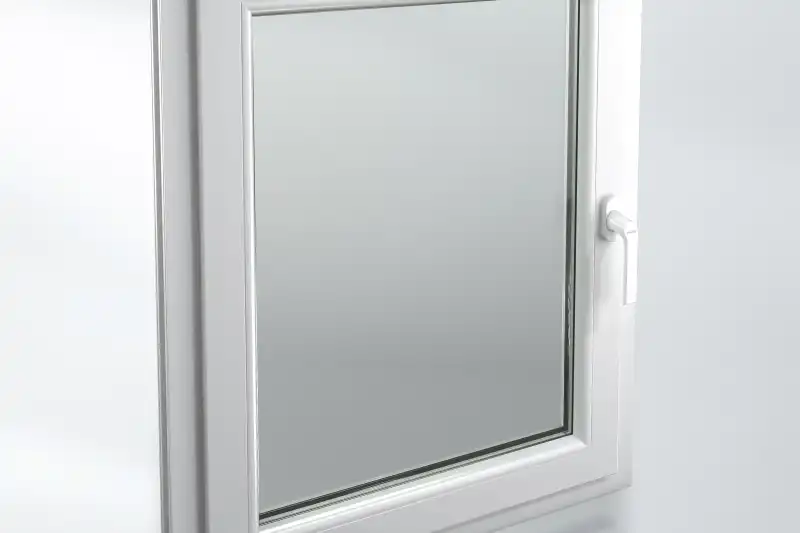
- The glazing, the largest surface.
- The seals, if they are worn or badly fitted.
- The joint between the window and the wall, if the installation is not airtight.
- The roller shutter box, often forgotten.
Acoustic glazing
Sound passes more easily through two identical panes. Acoustic glazing uses panes of different thicknesses or laminated glass with an interlayer that dampens vibration. It is the most effective solution near a busy road, a railway line or under a flight path.
Installation and seals
An acoustic window that is badly fitted loses much of its benefit. An airtight installation with new seals matters as much as the glazing.
uPVC or aluminium for noise?
Both work. The choice of glazing and the quality of the installation matter far more. See our guide uPVC vs aluminium windows and our triple glazing page.
ExploreuPVC and PVC windows in Luxembourg